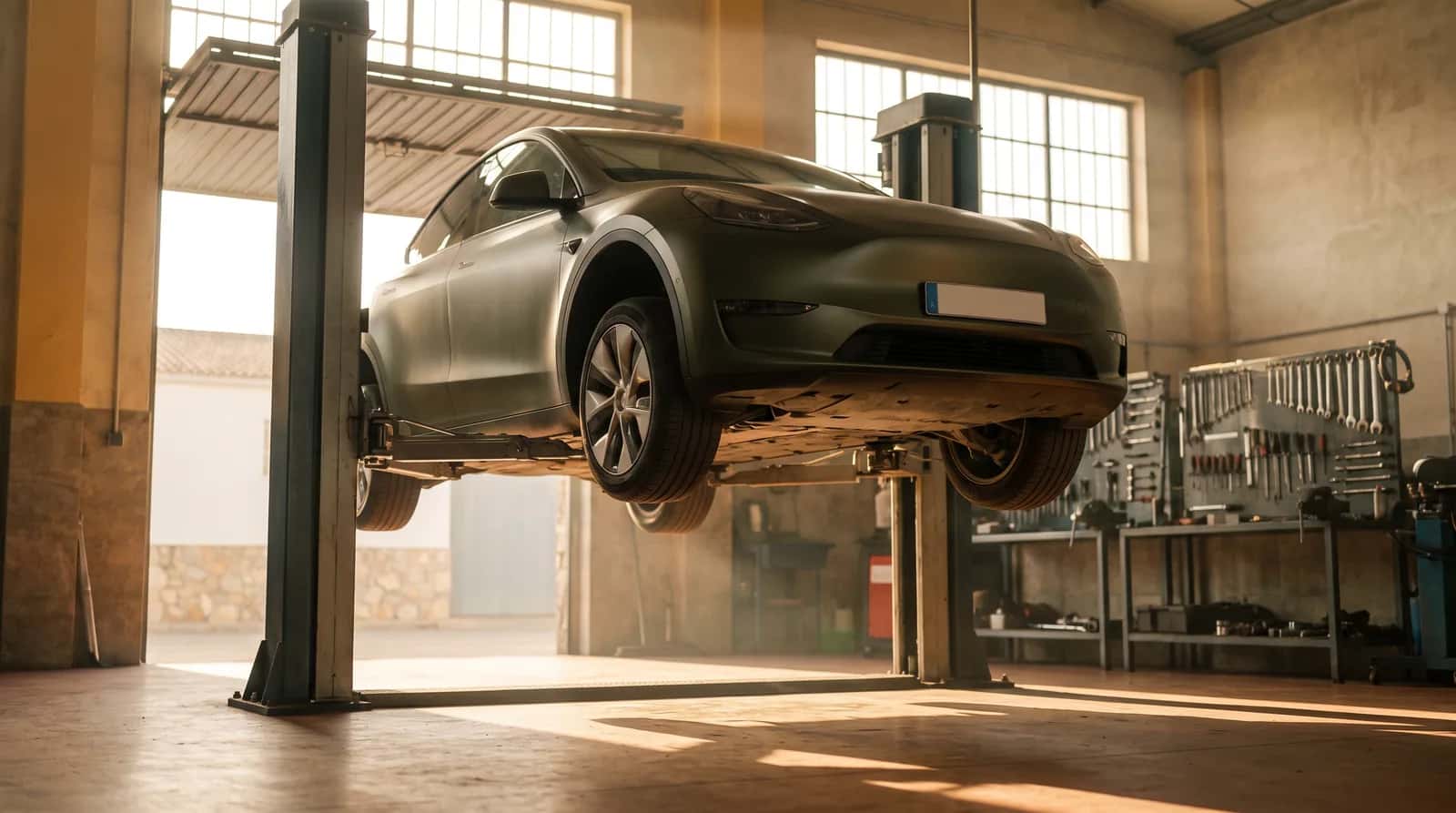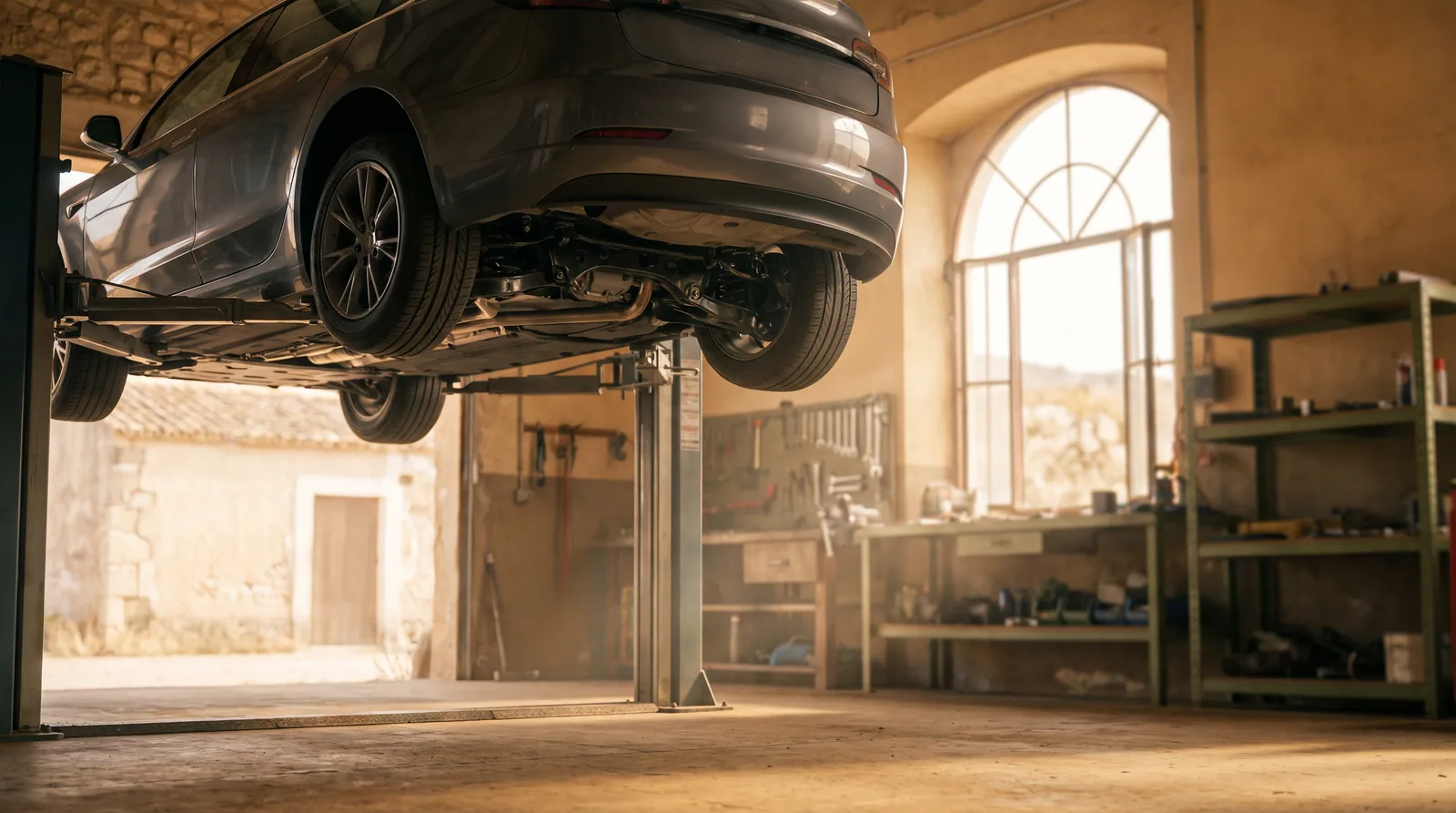
"It comes with a warranty" is a phrase said often and explained rarely. And because it is explained rarely, the difficult conversation arrives months later, when something fails and each side had a different idea of what had been agreed.
This guide separates the three things that usually get muddled: the warranty the law recognises when you buy from a professional, the commercial warranty a seller may add on top, and what neither of them ever covers.
Buying from a dealer is not the same as buying privately
This is the most important difference and almost nobody is clear on it. A used vehicle sold by a professional in Spain carries, by law, a warranty against defects that already existed at the moment of delivery. That is not a commercial extra the seller is giving you: it is a right you have, whether or not it is advertised.
When you buy privately that protection does not work the same way, because there is no professional on the other side. Which is why you cannot compare a private advert and a dealer advert on price alone: you are not comparing the same transaction.
Always get the duration in writing
The specific duration and scope of a vehicle's warranty are set out in the invoice and in the warranty document handed over with the car. Ask before you decide, and get it on paper with your name on it. Nobody has a spoken duration when they need one.
The difference between a pre-existing defect and wear
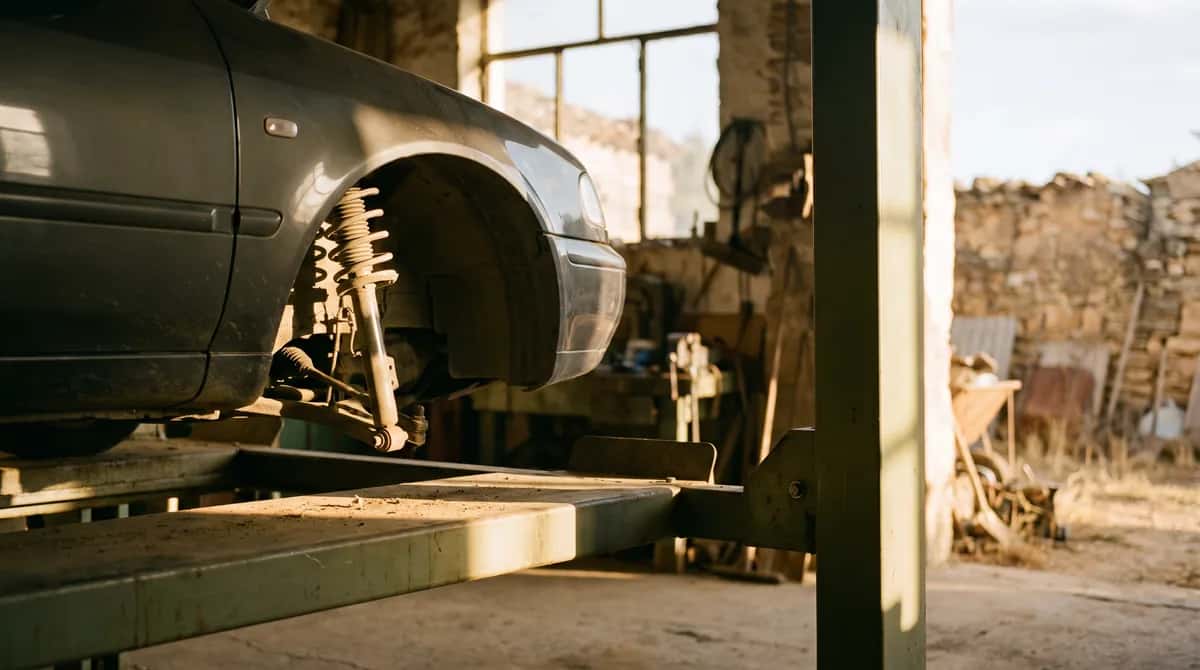
This is where ninety per cent of the arguments live. The warranty is about defects that were already there when the car was handed over, even if they were not visible. It is not about the parts that wear out through normal use of a car that is several years old.
- Tyres, brake pads and discs, wiper blades, filters, oil and plugs are maintenance. They wear because the car is used.
- A fault that appears within weeks of delivery points to something that was already there, even if it had not shown itself.
- A component that fails because of a later modification, an accident, or servicing that was never done is a different matter.
- A car with many years and many kilometres will always have items near the end of their life. Being worn does not make them defective.
What to ask before you sign
Five short questions, and all five have a written answer if the seller is serious:
- How long is the warranty on this particular vehicle, and where does it say so?
- Who do I call if something fails, and is it the same person who sold it to me?
- Which workshop handles it, and do I have to get the car there myself?
- Is anything excluded that I should know about before signing?
- Is the cost of the warranty inside the published price, or charged separately at the end?
That last question moves the most money and is the one fewest people ask. A car advertised at one price with an "extended" warranty that turns out to be compulsory, charged at the end, can work out dearer than one that looked less cheap.
How we do it
We solved it the simple way: take those items out of the end of the deal and put them inside the price. On our cars, the warranty costs and the costs of processing the change of ownership are already included in the price you see published, and it is set out in full on transfer and warranty included.
That does mean some of our vehicles look slightly dearer at first glance than the same model on a portal. Compare the total, not the headline — the same advice we give in the guide to the change of ownership.
For as long as the warranty runs you deal with the same person who sold you the car. There is no separate number and no case file that starts from scratch.
The best warranty is the inspection you do first
A warranty is for when something goes wrong. What you actually want is for nothing to go wrong. That is why we have no objection at all to any of our vehicles being inspected by a mechanic you trust before you decide, and we say so because it suits us: a car that passes a third party's inspection is a car that does not come back with a surprise three months later.
If you are going to have that inspection done, the checklist of what to check when buying a used car is the same one we use before buying a car for the forecourt.
And if you live a long way away, the same applies as if you came in person: you can commission an inspection from an independent workshop in Málaga before anything is agreed. The steps for buying at a distance are on the home delivery page.